 (Image via
The drive home is usually the most melancholy part of any vacation, filled with the dread of returning to an inbox full of unread emails and a refrigerator containing only expired milk. We tend to treat the return leg of a journey as a necessary evil, a fast-forward button we press to get from the fun part back to reality as quickly as possible. This mindset often leads us to blindly retrace our steps, autopilot engaged, staring at the same billboards and rest stops we saw on the way out. It turns the second half of a trip into a boring, reverse-engineered copy of the first, stripping away the sense of adventure just when you need it most to stave off the post-holiday blues.
But the return trip does not have to be the cinematic equivalent of watching a movie in rewind. By treating the journey home as a distinct adventure rather than a commute, you can effectively double the exploration value of your vacation without doubling the cost. It requires a shift in perspective, viewing the map not as a single line from point A to point B, but as a loop full of possibilities. With a little strategic planning, the drive back can be just as memorable as the drive there, transforming the end of your trip into a grand finale rather than a fading whimper.
Design A Loop Instead Of A Line
The most effective way to banish repetition is to embrace the geometry of the circle. When you plan your route, visualize a rubber band stretched between your home and your destination, and then pull the sides apart as far as they will go. This "open jaw" or loop strategy ensures that every mile you travel covers new ground. You might take the scenic coastal highway on the way there to soak up the ocean views when your excitement is peaking, and then cut through the mountain passes on the way back for a completely different atmospheric experience.
This approach does more than just change the scenery, it changes the entire vibe of the journey. Different routes often mean different cultures, different food, and different roadside attractions. One way might offer bustling cities and famous landmarks, while the alternative route provides quiet country roads and quirky small towns. By committing to a loop, you guarantee that the sense of discovery remains active until you pull into your own driveway. It keeps your brain engaged and alert, preventing the highway hypnosis that sets in when you already know exactly which fast-food joint is coming up next.
Shift The Timing To Unlock New Perspectives
Sometimes the route has to stay the same, but that does not mean the experience has to be identical. Simply shifting the time of day you travel can radically alter your perception of a place. If you drove through a city at noon on the way out, try hitting it at sunset or night on the way back to see the skyline lit up. Landscapes that look flat and uninspiring under the harsh midday sun can transform into magical vistas during the golden hour.
This temporal shift also applies to your stops. A sleepy town where you grabbed a coffee at dawn on Tuesday might have a vibrant nightlife scene if you pass through on a Friday evening. Planning your return leg to hit specific locations at different times allows you to see a completely different face of the same environment. It is a simple trick that adds depth to your travel experience without requiring any significant detours. You are not just seeing new things, you are seeing familiar things in a new light.
Switch Modes Of Transport For The Final Leg
If you really want to shake up the monotony, consider ditching the car altogether for a portion of the return journey. Many travelers drive to a destination but then feel exhausted at the prospect of driving all the way back. One creative solution is to look for car train services or ferries that can transport both you and your vehicle. Sitting on the deck of a ferry with the wind in your hair offers a completely different sensory experience than staring at the bumper of a semi-truck for six hours.
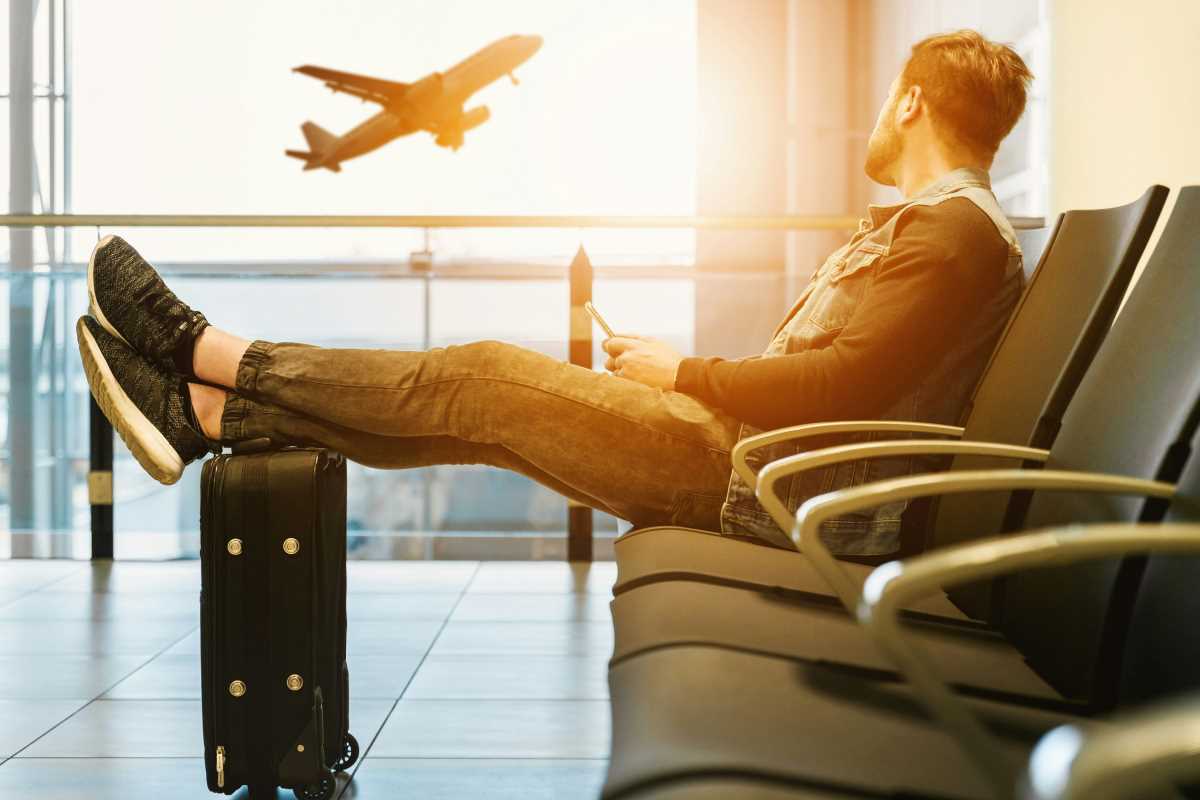
For those without a vehicle, mixing up transit methods is even easier. You might have flown to your destination to save time, but taking a train back allows you to decompress and watch the landscape roll by at a more human pace. It turns the travel time into leisure time, where you can read, nap, or just gaze out the window without the stress of navigation. Changing the vessel changes the journey, making the act of moving from one place to another an event in itself rather than just a logistical hurdle.
Hunt For The Weird And The Wonderful
On the way to a vacation, we are often focused on the big-ticket items, the famous museums, the pristine beaches, the renowned restaurants. The return trip is the perfect opportunity to lower your standards in the best way possible and seek out the obscure, the tacky, and the bizarre. Use the drive home to visit the world's largest ball of twine, a museum dedicated to barbed wire, or a diner shaped like a giant hot dog. These roadside oddities are low-stakes, high-entertainment stops that inject a sense of whimsy into the journey.
These stops serve as excellent palate cleansers after a week of serious sightseeing. They break up the monotony of the road and provide hilarious photo opportunities that often end up being the stories you tell most at dinner parties. By specifically saving these quirky detours for the return leg, you give yourself something fun to look forward to even as the vacation winds down. It keeps the spirit of playfulness alive right up until the end.
Reverse The pacing entirely
Your outbound journey is often fueled by adrenaline and a desire to get there, resulting in long driving stints and quick pit stops. To make the return trip feel distinct, deliberately flip the script on your pacing. If you rushed there, take your sweet time getting back. Plan for a lazy, lingering lunch at a nice restaurant instead of a drive-thru burger. Stop at a park for an hour just to read a book or stretch your legs.
Slowing down the return trip eases the transition back into everyday life. It acts as a decompression chamber, allowing you to process the memories of your trip before you are thrust back into your routine. This deliberate change in tempo makes the return journey feel like a bonus relaxation day rather than a stressful race against the clock. It reclaims the travel time as valuable vacation time, ensuring you arrive home feeling rested rather than frazzled.